 In Stock
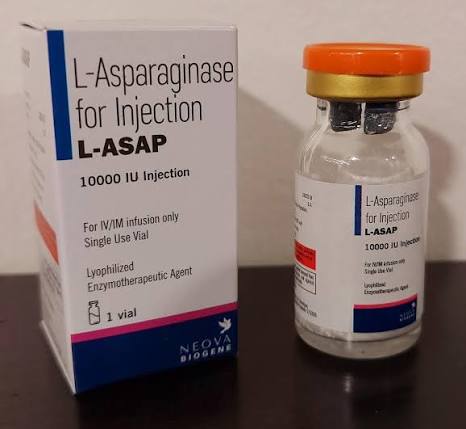
L-Asparaginase for Injection
L-Asparaginase for Injection is an anticancer medicine used as part of combination therapy for certain blood cancers by reducing the asparagine needed for cancer cell growth.
Product Details
L-Asparaginase for Injection is an antineoplastic enzyme medicine used as part of combination chemotherapy for certain hematological cancers, particularly acute lymphoblastic leukemia (ALL). It works by breaking down asparagine in the blood, an amino acid that certain cancer cells depend on for protein production and survival.
Key Benefits
- Used as part of combination treatment for certain blood cancers
- Helps reduce the availability of asparagine in the bloodstream
- Interferes with protein production in susceptible cancer cells
- Helps inhibit the growth and survival of certain leukemia cells
- Supports combination chemotherapy under specialist supervision
How It Works
L-Asparaginase breaks down the amino acid asparagine into aspartic acid and ammonia. Some cancer cells have limited ability to produce their own asparagine and therefore depend on circulating asparagine. Lowering its availability can interfere with protein synthesis and contribute to the death of these cancer cells.
Common Side Effects
- Nausea and vomiting
- Loss of appetite
- Abdominal pain
- Fatigue
- Fever
- Changes in blood sugar levels
- Changes in liver function
- Increased risk of bleeding or blood clots
Important Information
L-Asparaginase for Injection should be administered only by qualified healthcare professionals experienced in anticancer treatment. It can cause serious allergic reactions, pancreatitis, liver toxicity, blood-clotting abnormalities, and changes in blood glucose levels. Patients require close monitoring of liver function, blood glucose, pancreatic enzymes, and coagulation parameters during treatment. Seek immediate medical attention for breathing difficulty, severe abdominal pain, unusual bleeding, or signs of an allergic reaction.