 In Stock
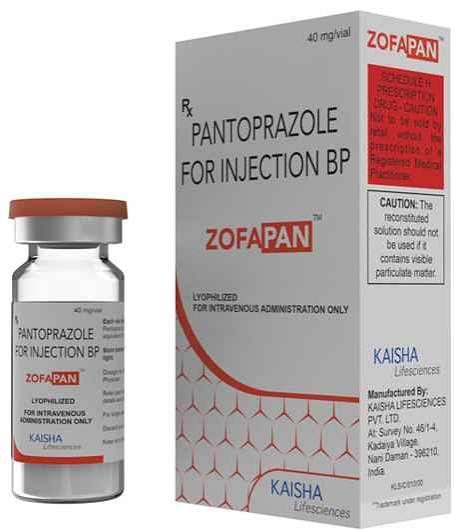
Pantoprazole for injection BP
Pantoprazole for Injection BP is a proton pump inhibitor used to reduce stomach acid and manage acid-related gastrointestinal conditions when intravenous treatment is required.
Product Details
Pantoprazole for Injection BP contains pantoprazole, a proton pump inhibitor (PPI) that reduces the production of stomach acid. It is used when oral treatment is not appropriate or when rapid acid suppression is required in selected gastrointestinal conditions. It may be used in the management of conditions such as gastroesophageal reflux disease (GERD), erosive esophagitis, and certain acid-related disorders under medical supervision.
Key Benefits
- Helps reduce excessive stomach acid production
- Supports the management of acid-related gastrointestinal conditions
- Helps control symptoms associated with excessive gastric acid
- Supports healing of acid-related damage to the esophagus
- Provides intravenous acid suppression when oral therapy is not suitable
- May be used in selected hospital-based gastrointestinal conditions
How It Works
Pantoprazole inhibits the gastric proton pump (H+/K+-ATPase) in the stomach lining. By blocking the final stage of gastric acid secretion, it lowers the amount of acid produced in the stomach and helps provide relief from acid-related symptoms while supporting tissue healing.
Common Side Effects
- Headache
- Diarrhea
- Nausea
- Abdominal pain or discomfort
- Vomiting
- Dizziness
- Injection-site reactions
Important Information
Pantoprazole for Injection BP should be administered intravenously by a qualified healthcare professional. The dose and duration of treatment depend on the patient's condition and clinical requirements. Long-term or repeated use may require medical monitoring because prolonged acid suppression can be associated with low magnesium or vitamin B12 levels and certain gastrointestinal infections. Inform your healthcare professional about other medicines and existing medical conditions. Seek medical attention if symptoms persist or if you experience difficulty swallowing, unexplained weight loss, vomiting blood, or black stools.